What happens in the space that I call ‘Car Park Beach’ might best be described – perhaps paradoxically – as material daydreaming. As I allow myself to be distracted, or sometimes even dazzled, by waste matter on the way to work, this reverie in turn connects one space and its neglected things with another neglected realm…. and so an interstitial urban space becomes entangled with far away plastic oceans.
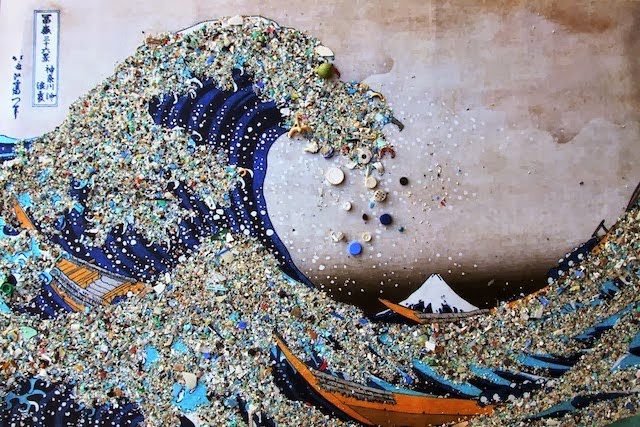
Another way of describing what happens to me on Car Park Beach is as a kind of urban enchantment or ‘mundane haunting’ (Tim Edensor 2008 15 313–333). I’d therefore like to take up Michel De Certeau’s idea of ‘an uncanniness of the “Already There”‘ because, when De Certeau and Giard use the phrase the city’s ‘debris of shipwrecked histories’, it hopefully helps me make the case that a car park CAN also somehow be a beach. Each space haunts the other…
‘the debris of shipwrecked histories still today raise up the ruins of an unknown, strange city. They burst forth within the modernist, massive homogenous city like slips of the tongue from an unknown, perhaps unconscious language. They surprise.’ [‘Ghosts in the City’ De Certeau and Giard: 133]
So, what kind of haunting do we experience on a car park beach? Certainly, for me, it’s not simply about being haunted by the past, though the spectral, sensory traces of my own past are key here…, and I do like the idea of re-imagining my personal history as a series
of ghostly beaches. 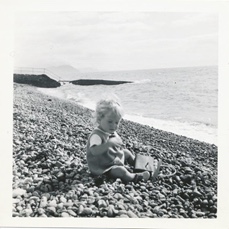
Agnès Varda’s 2008 film The Beaches of Agnes /Les Plages D’Agnès playfully invokes the language of beaches to tell stories about her past life, and I’ve borrowed the shell-like image of interiority -‘ if you opened me up you’d find beaches inside – from Varda. And yet this refrain has far more terrifying resonances when we repeat these words as we gaze on Chris Jordan’s apocalyptic photos of albatrosses with their guts full of plastic waste. (Chris Jordan – ‘Midway: Message from the Gyre’ 2009).
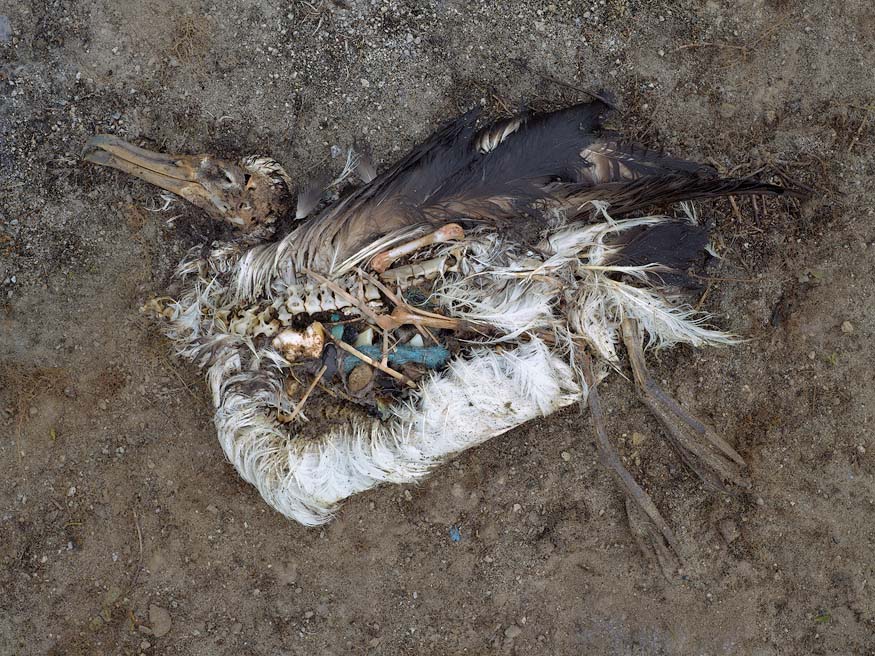
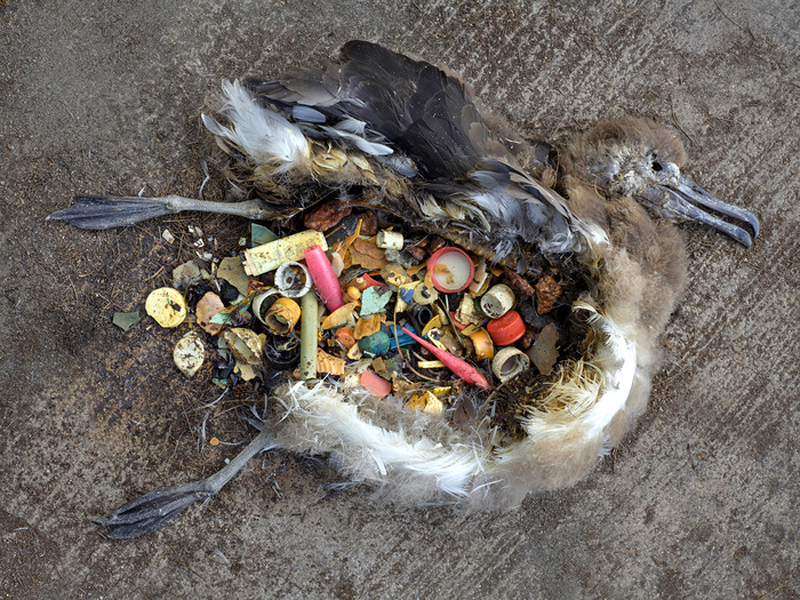
The idea of Car Park Beach as a haunted space is more about the future than the past, and it more closely resembles Walter Benjamin’s idea of ‘profane illumination’:
‘There… are crossroads where ghostly signals flash from the traffic, and inconceivable analogies and connections between events are the order of the day’.(Benjamin: 1978: 183)
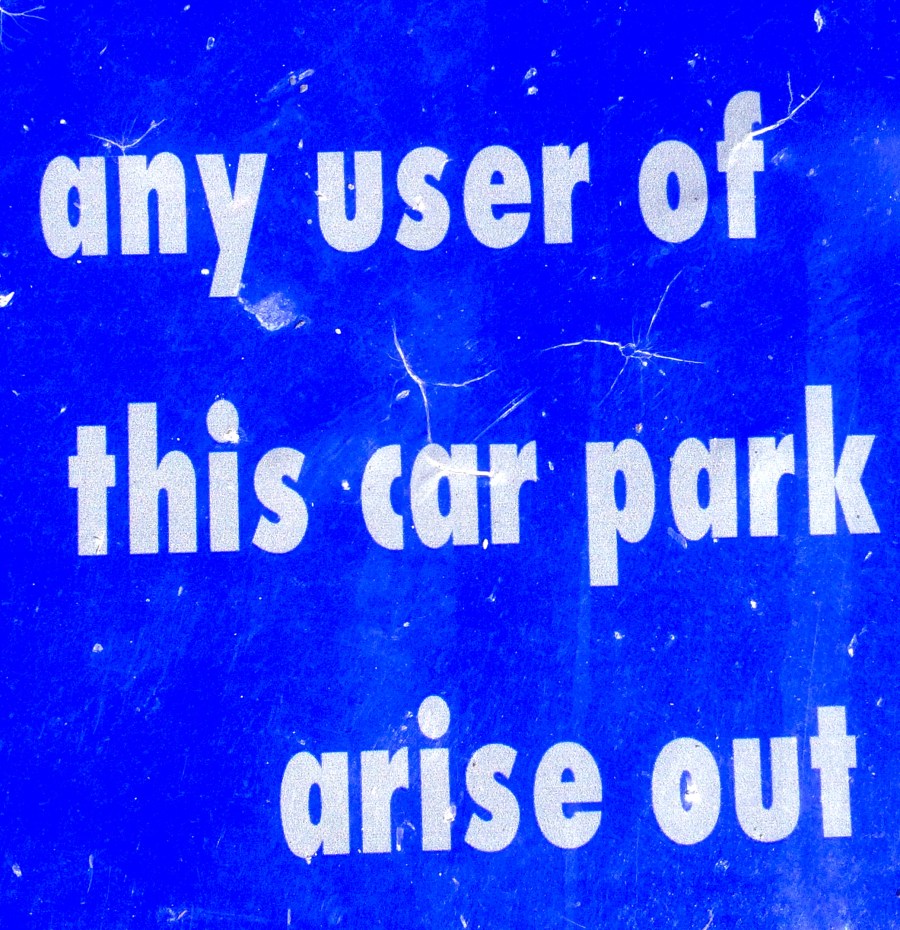
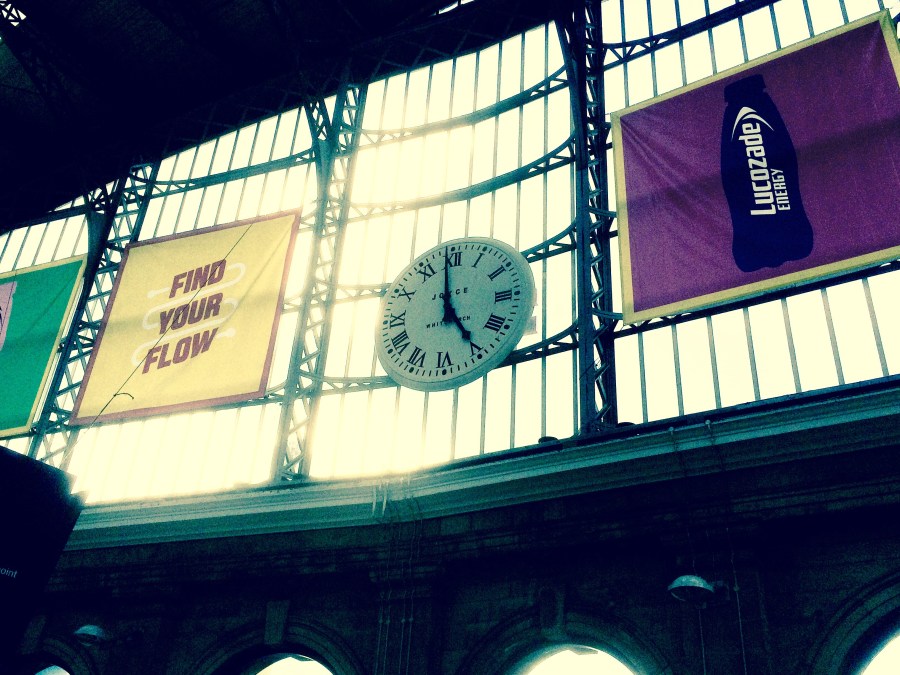
What makes Benjamin’s ‘inconceivable analogies and connections’ especially phantom-like, it seems to me, is the way that they condense the spatial with the temporal – generating a sensorial realm which is over-determined, rather like a doubly- exposed photograph. This project begins, therefore, with a potentially baffling ‘inconceivable analogy’ between ‘car park’ and ‘beach’. And what I am hoping to do is to conjure up this same sense of ‘double-exposure’ – or multiple exposure – to illuminate what might happen when a routine experience comes to be associated with a shift in consciousness.. a shift towards a more porous state… a ‘bloom space’ perhaps.
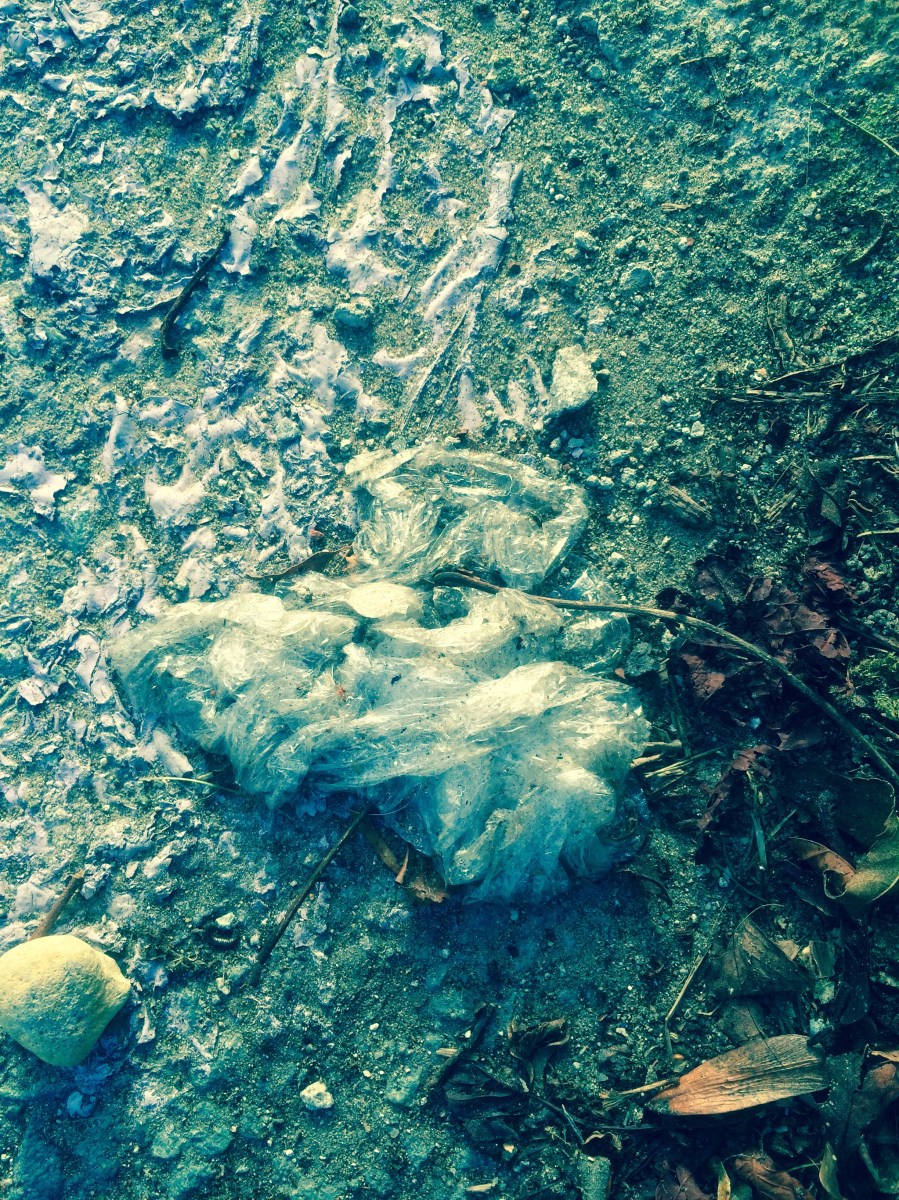
 Car Park Beach